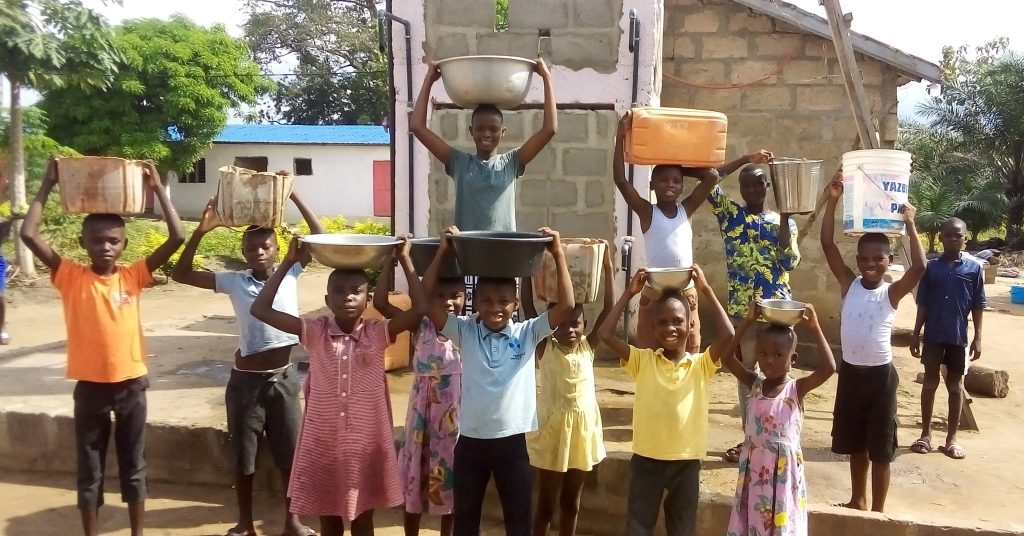
Freshwater helps protect health, restore time, and strengthen entire communities.
Not every gift arrives wrapped.
Some arrive quietly: a pump handle creaking, a bucket filling, a mother smiling because
tomorrow’s walk for water will be shorter than yesterdays.
A freshwater well may seem simple—a hand pump, a concrete base; a gathering of neighbors watching water rise from the ground. But in communities where safe drinking water has been difficult to access, a well becomes far more than a source of water.
It becomes healthier for children, safer meals, cleaner hands, and precious hours returned to families. It becomes relief drawn from the earth.
Recently, three new freshwater wells were completed in Uganda. Two were placed near elementary schools and one near a village center, providing clean water to surrounding communities where safe drinking water was previously limited.
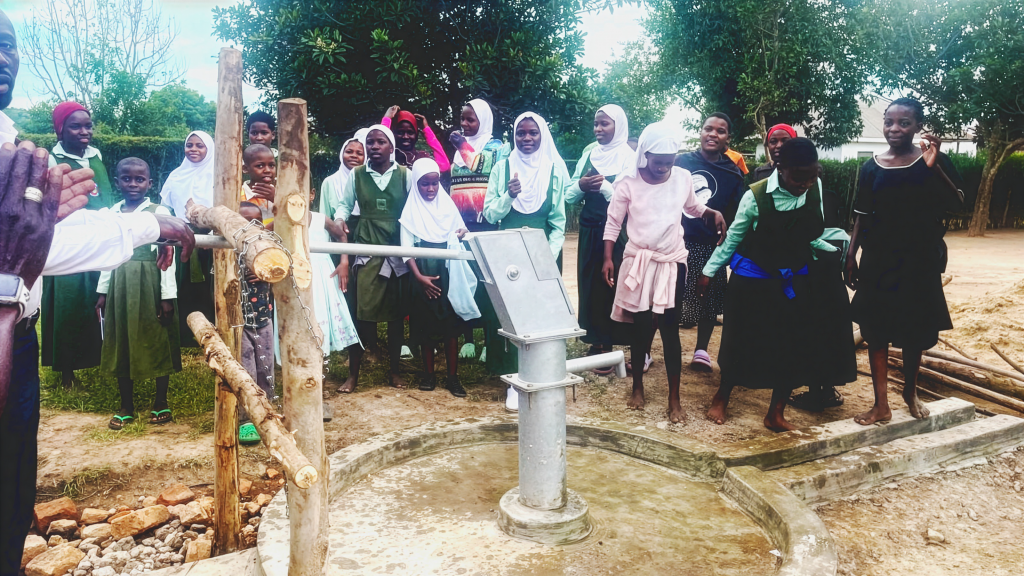
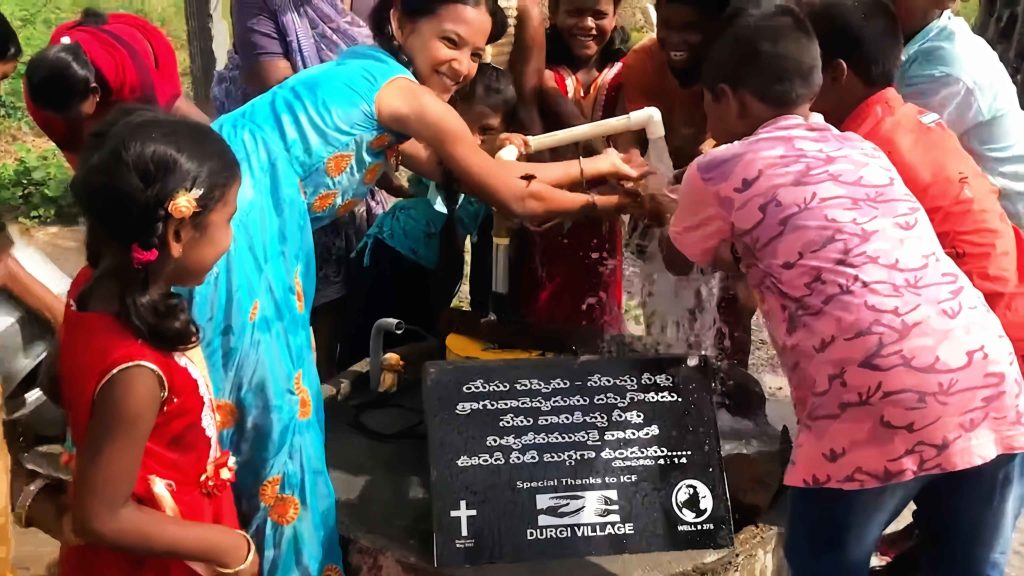
In India, three additional wells were completed bearing a simple message:
“This Fresh Water Well is for ALL People…NO caste or creed.”
Those words reflect something powerful: water is not reserved for the few. It is a gift that preserves life, dignity, and hope for everyone.
The Need for Clean Water
For many of us, clean water is so accessible that we rarely think about it. We turn on a faucet, fill a glass, wash our hands, and move on with our day.
For millions of families around the world, however, water remains a daily challenge.
According to the WHO/UNICEF Joint Monitoring Program, more than 2 billion people still lack safely managed drinking water. Many rely on distant, unreliable, or contaminated sources, increasing the risk of disease, and creating daily hardships for families.
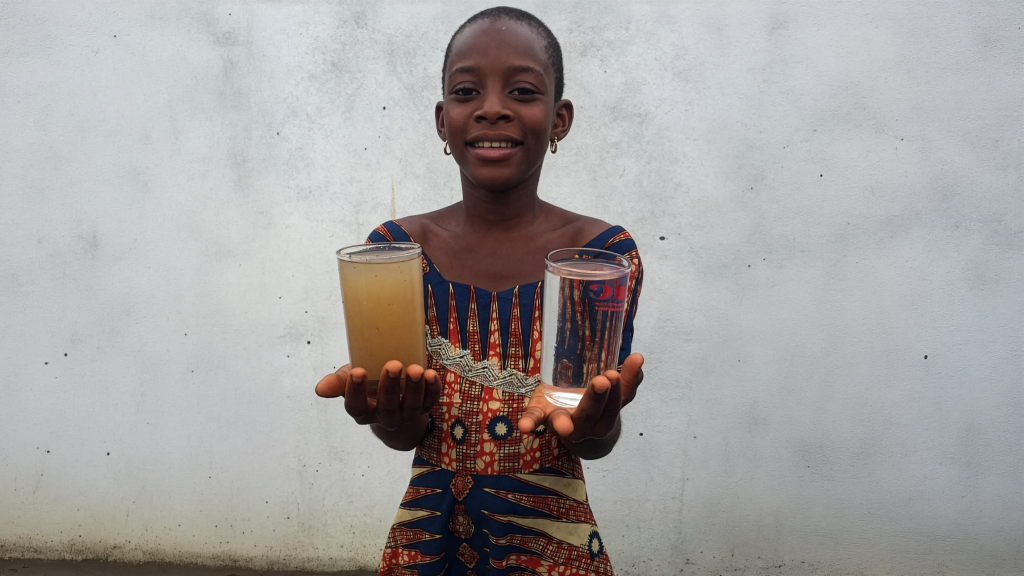
Unsafe water can transmit illnesses such as cholera, dysentery, typhoid, and diarrhea. Children are especially vulnerable, and preventable waterborne diseases continue to claim young lives every day.
The burden extends beyond health. In many households, women and girls are responsible for collecting water, often spending hours each day walking to and from water sources. Those hours are taken away from education, work, and family care.
Water scarcity is not only about thirst. It affects health, education, safety, opportunity, and the rhythm of everyday life.
When clean water becomes accessible, one heavy burden is lifted. Families gain time. Children stay healthier. Schools become safer places to learn. Communities gain a stronger foundation for the future.
When water comes closer, hope does too.
What a Well Changes
A well does more than providing drinking water.
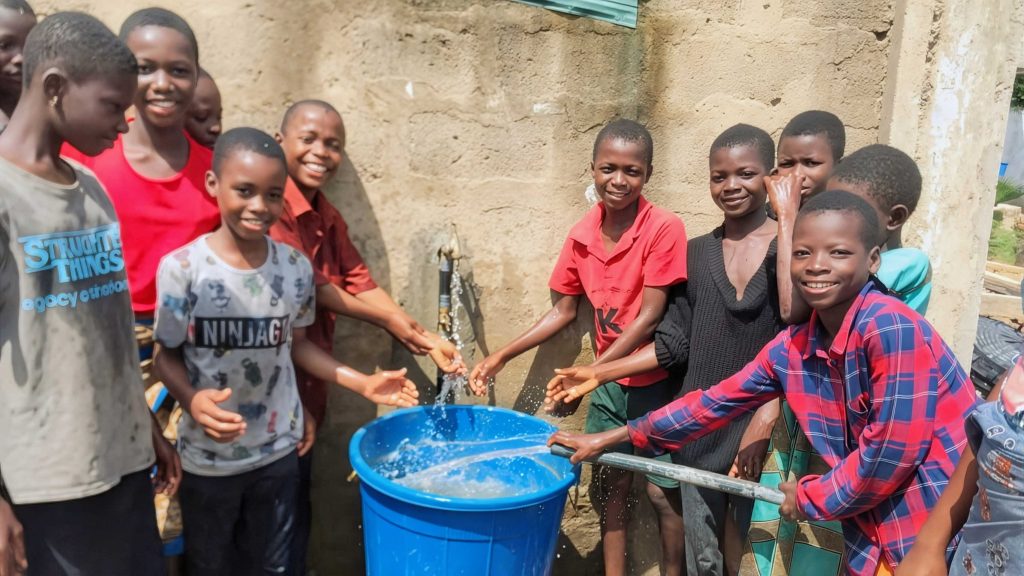
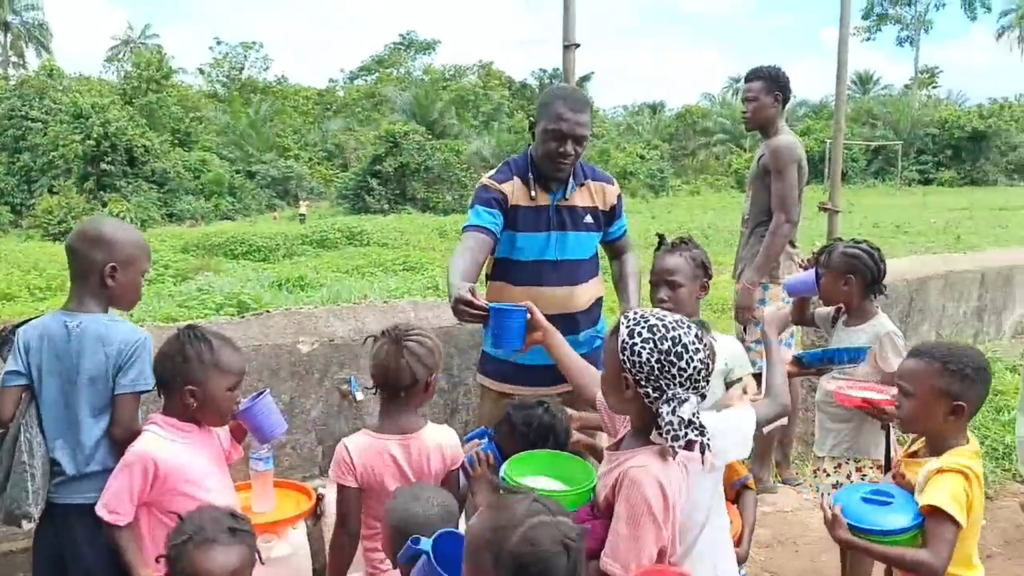
When placed near a school, it supports learning and health. When placed in a village center, it becomes part of daily community life. Families gather around it. Meals are prepared with it. Children wash their hands with it. Day after day, it becomes woven into the life of a village.
The impact reaches far beyond the bucket.
A child arrives at school with more energy. A mother spends less time walking for water. Parents worry less about whether the water they use might make their family sick.
Statistics can measure wells drilled and people served, but they cannot fully capture the quiet moments that follow; the first safer meal, the first easier school day, the first morning when the walk for water is no longer so far.
Hope begins to look less like an idea and more like water in a bucket.
When Faith Becomes Practical
Jesus spoke often about meeting practical needs.
In Matthew 25:35, He said, “I was thirsty and you gave me drink.” In Matthew 10:42, He spoke of giving even a cup of cold water to someone in need.
These are simple images, but for many families, access to that cup of water is not simple at all.
That is why providing clean water is one way faith becomes visible. It is compassion expressed through action. It is mercy that serves both physical and spiritual needs.
Isaiah describes God’s care for those searching for water and speaks of streams flowing in dry places. For families living without reliable access to clean water, those images are deeply personal. Water in a dry place is not merely symbolic; it is life.
Work Beneath the Surface
Providing clean water has become an important part of our mission to serve children and families facing severe poverty.
Since 2021, 125 water wells have been drilled across Africa, India, and Pakistan. In 2026 there have already been 26 additional freshwater wells completed, and more are planned in the coming year.
Each well represents more than a construction project. It represents healthier families, stronger communities, and long-term impact. Unlike a one-time delivery of aid, a functioning well continues serving people year after year.
Morning after morning, bucket after bucket, it helps communities drink, cook, learn, and thrive. It is not flashy work.
It simply keeps giving.
Helping Hope Keep Flowing
The opportunity to bring clean water to communities in need is one that many people can share.
Families, churches, schools, businesses, and community groups can help fund freshwater wells through personal fundraising efforts. A birthday, anniversary, church event, or workplace challenge can become something that changes lives for years to come.
It costs approximately $3,000 to provide a community with a freshwater well.
Supporters can also join as monthly Hope Ambassadors, helping sustain projects that provide practical help and lasting hope to children and families around the world.
Every well begins with people willing to care.
Together, we can help ensure that where water rises, hope rises too.