
When you first step into Kibera, Nairobi’s largest slum, the air itself seems to press down on you. Narrow alleys snake between rusted tin shacks. Piles of garbage spill onto the footpaths, their stench mingling with smoke from burning trash. The ground is muddy and uneven, littered with scraps of plastic and sewage from open drains. Children dart between houses, their laughter echoing against walls patched with cardboard and wood—but their thin frames and tired eyes reveal another story.
For the nearly one million people who call Kibera home, life is survival on the edge.
The Harsh Reality of Daily Life
Water is scarce. Families walk long distances with heavy jerry cans, praying the water they bring back isn’t contaminated. Many depend on vendors who charge high prices for even the smallest containers. The risk of waterborne disease is constant.
Sanitation is an even greater struggle. Public toilets are few, often cost money to use, and are shared by thousands of people. When the lines are too long or the fees unaffordable, many resort to the indignity of “flying toilets”—plastic bags used at night, then tossed into alleys or ditches. Others dig ditches between the houses and use these open sources to relieve themselves. During the rainy season, sewage overflows through the settlement, carrying waste into homes, spreading disease, and worsening the smell that already clings heavy to the air.
In 1978, our founder Dr. David Bruenning arrived in Kibera with the intent of sharing a message of hope. As he preached in an open space a large group of Indigenous people surrounded him which made it difficult for others to see and hear him. So, he looked for the tallest structure he could stand on, which was a garbage pile filled with waste and old tires. As he climbed to the top his eyes immediately began to water and sting from the fumes. By the time he had finished his sermon, his entire throat and nose were burned from the intensity of the smell.
Garbage collection is nonexistent, so piles of trash line the walkways. Food scraps rot in the heat. The children rummage through these with the goats and wild dogs, having nothing else to eat. Plastic bags catch the wind, fluttering like unwanted flags. The odor can turn your stomach, but for a hungry child, any scrap is better than the daily pain of hunger.
Can you imagine being a child growing up like that?
For parents, the heaviest burden is watching their children suffer. They wonder where the next meal will come from, or how to pay school fees. For children, hunger is constant, an ache that never goes away. Many fall ill with diarrhea, typhoid, or malaria, illnesses that could be prevented with clean water and proper sanitation.
The Beginning of Hope
And yet, amid the harshest conditions, there is a flame of hope.
For 44 years, our partner Bishop Peter Sila has walked these very alleys. In 1981, he founded the Open Gate of Hope Mission in Kibera where he feeds and educates as many children as possible everyday. Nearby in Machakos about 40 miles from Kibera, a vision that has grown into orphanages, schools, a church, and—perhaps most transformational of all—an agricultural project that teaches children and families to feed their families in an ongoing and sustainable way.
Remember:
“If you give a man a fish he eats for a day, but teach a man to fish and he will eat for a lifetime.”
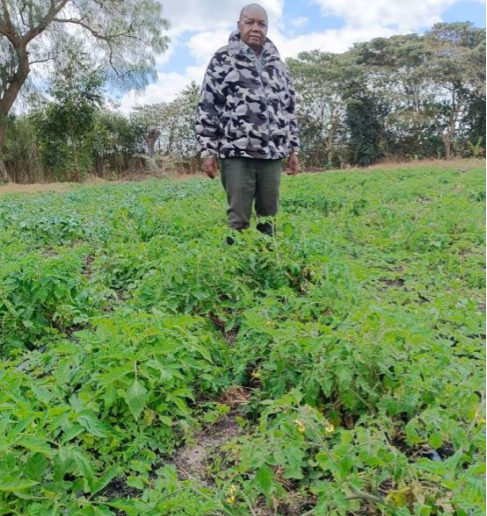
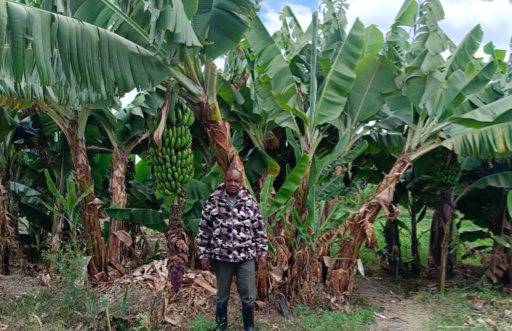
The mission of Open Gate provides hope through empowerment and self-sustainability. Where there was only hunger, now there are fields of kale, bananas, cassava, and tomatoes.
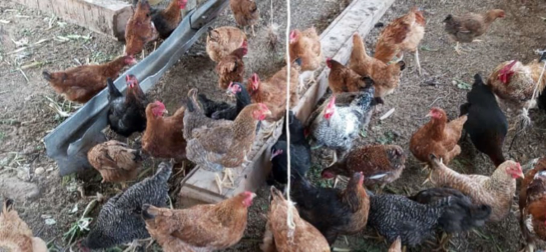
Where children drank dirty water, now wells drilled into the dry ground give life, irrigating farms that produce food even in the hottest season. Where protein was rare, cows and chickens now provide milk and eggs daily.
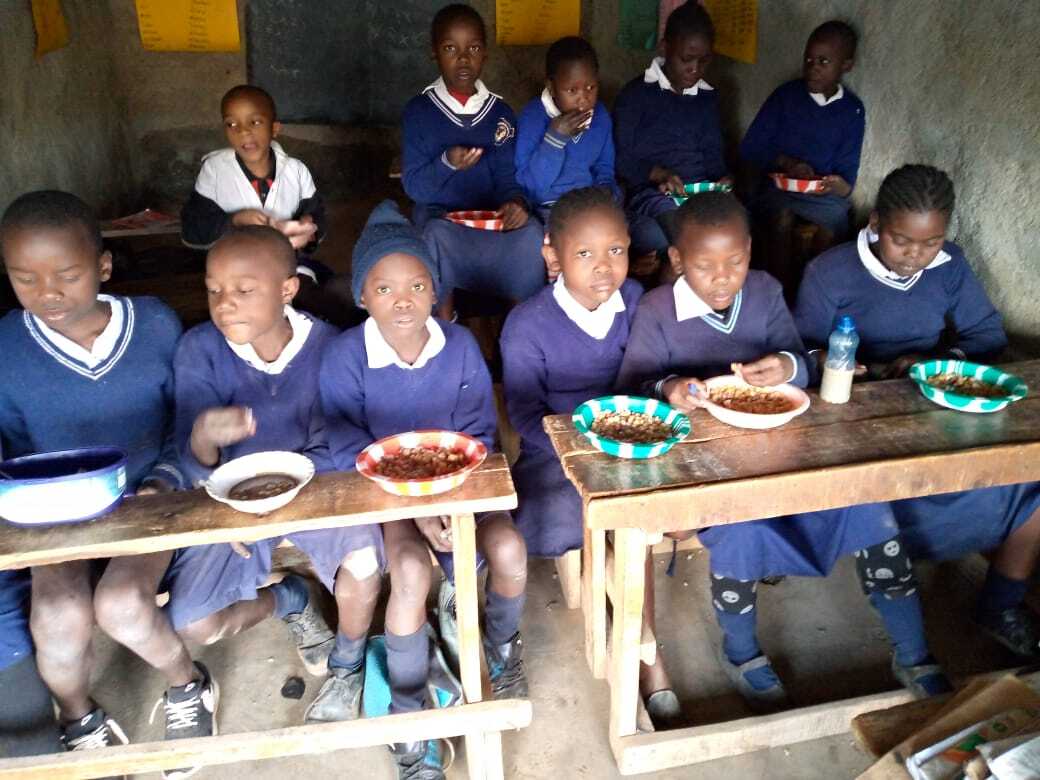
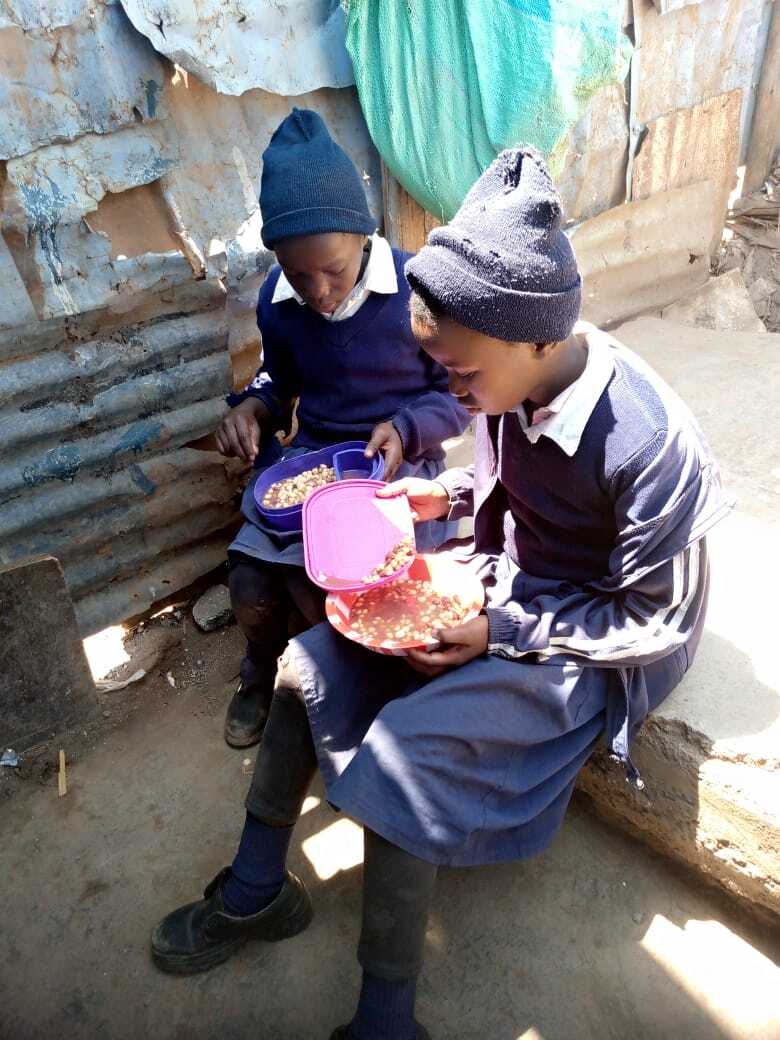
Every day, more than 200 children receive food because of this mission. Not scraps, but nutritious meals that help their bodies grow strong and their minds stay sharp. The same children who might have scavenged from garbage heaps for food now walk to school with full bellies, carrying books instead of empty stomachs.
And it doesn’t stop at food. The mission offers education, clothing, and medical care. It creates opportunity where none existed before. It replaces despair with dignity, and hopelessness with a vision for the future.
The Ripple Effect of Hope
The Open Gate Agricultural Project is more than a farm—it’s a model of sustainability. Crops feed children in the orphanages and schools. Goats, pigs, chickens, and cattle provide milk, meat, and eggs. And the wells ensure wholesome clean water flows even when drought parches the land.
This self-sustaining cycle means that the impact ripples far beyond the mission walls. Families in surrounding villages benefit from affordable food. Children who might otherwise go hungry or drop out of school find nourishment and hope.
Most importantly, children see a different possibility for their future. Rather than believing that poverty is their destiny, they see role models who show them a new way forward. They learn that with God’s help, with education, and with opportunity, they can rise above the suffering.
The Difference You Can Make
For children in Kibera, the difference between despair and hope is tangible. It looks like a plate of rice and beans instead of going to bed hungry.
It sounds like laughter in a classroom rather than silence in the dark. It feels like dignity instead of degradation.
But this difference does not happen by accident. It happens because people like you choose to care. It happens because someone gave, and a child’s life was changed.
In 2024, 99.7% of every dollar given to the International Children’s Fund went directly into programs like these. That means almost nothing is lost to overhead. Every gift is an investment in changing a child’s life and an answer to their prayers.
Will you be a Hope Ambassador?
When you give, you’re not only feeding children today—you’re planting seeds of hope for tomorrow. You are providing wells, farms, and livestock that sustain communities. You are helping children rise out of despair with dignity.
The people of Kibera don’t need pity, they need partners who will show them compassion. They need people willing to stand with them, who will see the worth of every child who calls this place home.
Are you willing to be the one who stands with them? Will you be a Hope Ambassador—a faithful friend who says, “Your life matters. Your future matters. You are not forgotten.”
A Final Word of Promise
In Kibera’s narrow alleys, where the stench of garbage and sewage mixes with the cries of hungry children, hope is a daily miracle. And through your hands, your prayers, and your giving, God is writing a different story.